 |
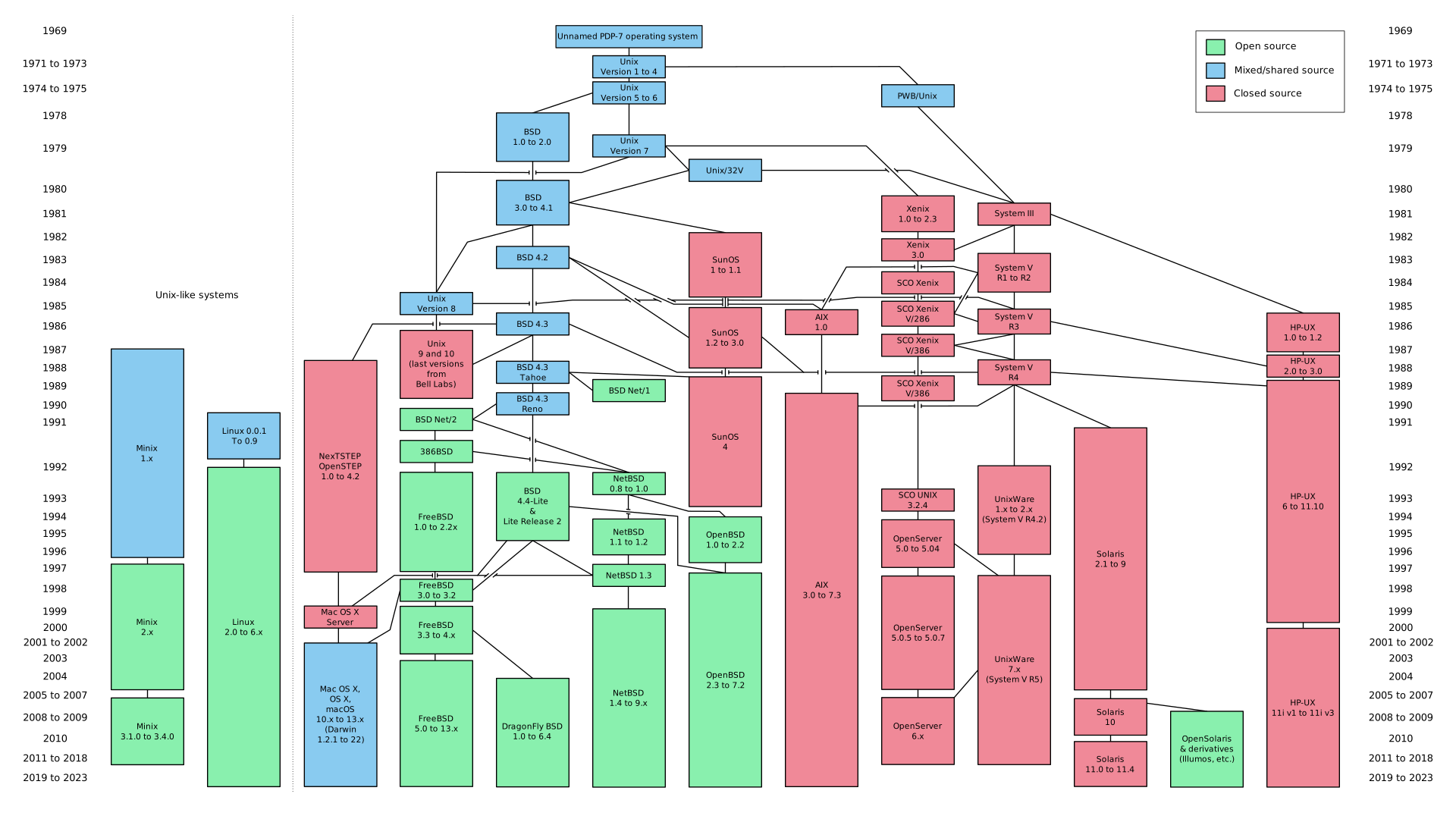
| A "family photo" of Unix and its derivatives |
The history of Unix began at Bell Labs in the mid 1960's. In a joint project with M.I.T, Bell Labs was developing a new time sharing operating system called the Multiplexed Information and Computing Service or MULTICS for short.[1] On the MULTICS project were two bright, young and ambitious engineers named Dennis Ritchie and Ken Thompson. Despite Ritchie and Thompson being developers of MULTICS, they did not agree with the design principles behind it. MULTICS was large and over complicated. Frustrated with the system's design flaws, Ritchie and Thompson began to write their own operating system on an old, unused PDP-7. They called their system UNICS, which stood for UNIplexed Information and Computing Service. This was a playful jab at the unnecessary complexity of MULTICS (Unixplex being a nonsense word).[2] The original UNICS was finished in 1969 and the name was changed to Unix TSS (Time Sharing System) shortly after.
 |
| Dennis Ritchie and Ken Thompson programming on a tele-type console in the 1970's |
The new system was popular within Bell Labs, but it did not become popular until 1973 when Dennis Ritchie re-wrote it in the C Language. This adjustment threw the fledgling operating system into the spotlight and changed the face of operating design forever. Being re-written in C made Unix the worlds first portable operating system, which meant it was the first operating system that could run on different types of computers.
The simple, elegant design of Unix made it enjoyable to use and its portability made it cheap and easy to obtain. These qualities also made Unix an ideal system to draw inspiration from and today there are many systems that are considered to be derivatives.
From super computers to the smartphone in your pocket, Unix is everywhere and it is likely to continue to be everywhere for many years to come!



Android, Linux and Mac OSX are all derivatives of Unix
http://web.mit.edu/multics-history/ [1]
http://www.unix.org/what_is_unix/history_timeline.html [2] [3]

No comments:
Post a Comment