In the 1970s, 3D computer generated imagery was a new concept being actively researched. At that time, very few computers had enough power to generate 3D images, and even if they did, special hardware (e.g. a graphics terminal) was required to view the resulted rendering. During this time, the University of Utah was a big name in computer graphics research.One of the university's most well known researchers in the area of computer graphics was Martin Newell. In 1975, he needed a recognizable shape that could be used as a benchmark to test the 3D Rendering system that he was developing. One day, Newell was drinking tea with his wife and noticed that the teapot's shape had a very
diverse range of mathematical properties, making it the perfect object to model his benchmark after.
 |
| Martin Newell's Teapot Sketch. |
 |
| Modern Rendering |
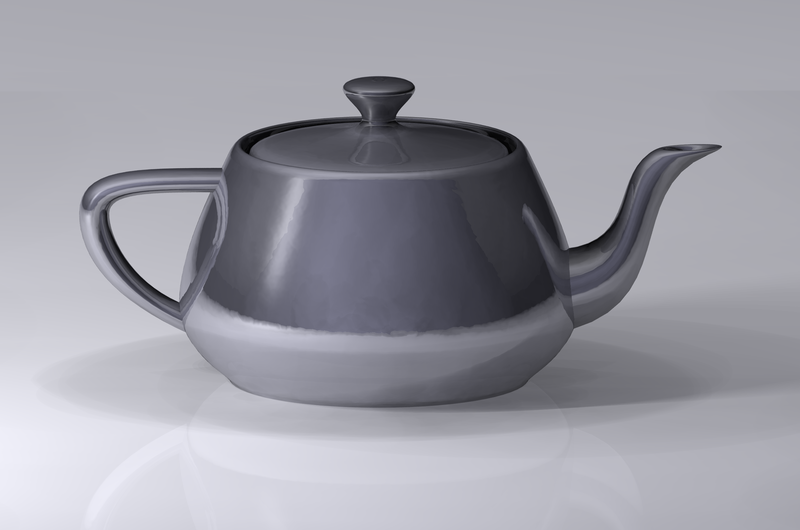
Newell then sketched the teapot onto graph paper and put the coordinates into a computer. The result was an endearing image of a teapot that left a big impact on computer graphics. For decades after, the Utah Teapot <continued to be used as a benchmark> for graphics capabilities These days, rendering the teapot in films and other works is an
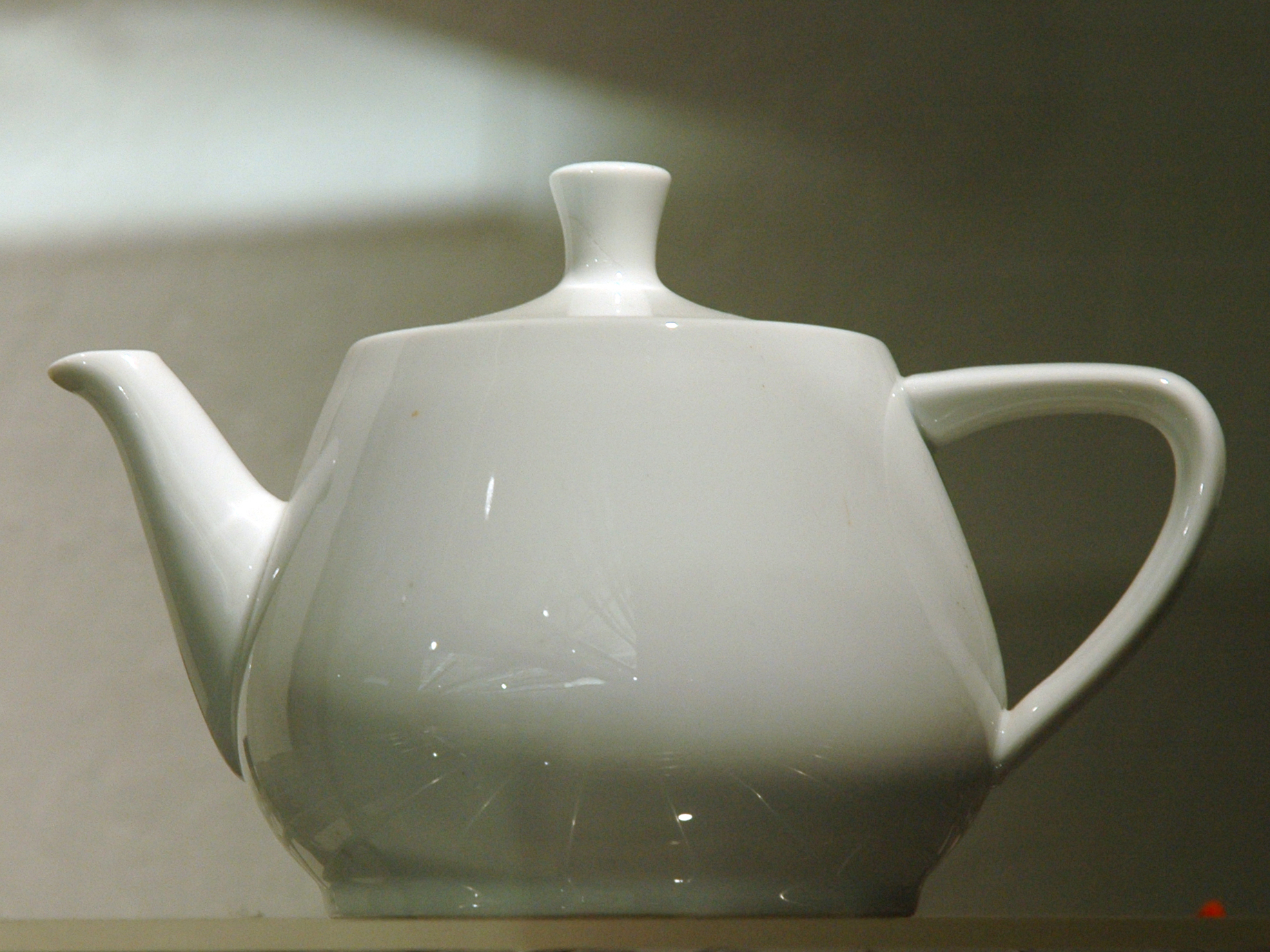
inside joke among graphics artists. The original teapot is an exhibit at the Computer History Museum in Mountain View. I was privileged enough to see it there recently!
 |
| The teapot makes a cameo in Toy Story |
 |
| The Utah Teapot on display |

I really enjoyed this post as you have chosen a small tidbit that many miss in the 'today's age' of computer graphics in movies and video games, smart phones, and other devices. It was well written, had a conversational flow, and most of all, was interesting and pertinent.
ReplyDeleteeffectively open to the novice because of the minimal effort of both hardware and proliferation of the pictures, that we will have a short take a gander at in this article. Clipping Path Service
ReplyDeleteIndeed, Martin Newell's choice of the teapot as a benchmark object for testing 3D rendering systems in the 1970s has become an iconic piece of computer graphics history. The simplicity and ubiquity of the teapot shape, combined with its diverse mathematical properties, made it an ideal candidate for evaluating the capabilities of early 3D rendering algorithms and systems. product image editing services
ReplyDelete